Where We Work
Delivering architecture, engineering, and construction services across diverse regions with the local expertise, regulatory knowledge, and operational flexibility each project demands.
Delivering architecture, engineering, and construction services across diverse regions with the local expertise, regulatory knowledge, and operational flexibility each project demands.
William Frei Group serves clients across a broad geographic footprint, delivering architecture, engineering, and construction services that are tailored to the specific conditions, codes, and construction practices of each region. Our ability to work effectively in diverse locations is not a matter of simply applying a standard approach everywhere it is the result of a deliberate investment in understanding the regulatory frameworks, environmental conditions, material availability, and labor markets that define each project's context.
Whether a project is located in a dense urban core, a suburban growth corridor, a coastal zone with demanding wind exposure requirements, or a seismically active region requiring specialized lateral design, William Frei Group brings the technical knowledge and operational adaptability to deliver successfully. We do not approach any two projects the same way, because no two project sites present the same conditions.

Extensive experience navigating the regulatory landscape of Northeastern states, including stringent energy codes, historic preservation requirements, and cold-climate construction practices. Our projects in this region include commercial offices, institutional facilities, and multi-family residential developments designed for durability in demanding weather conditions.
Active project delivery across the Mid-Atlantic corridor, where we have developed strong working relationships with local jurisdictions, subcontractor networks, and material suppliers. Our work in this region spans design-build commercial projects, mixed-use developments, and renovation programs for aging building stock requiring structural assessment and modernization.
Specialized expertise in designing for high-wind exposure, hurricane-resistant construction, and coastal environmental conditions prevalent in Southeastern markets. Our structural engineering capabilities in wind-load design and our understanding of Florida Building Code and similar regional standards position us as a reliable partner for projects in this dynamic growth region.
Proven track record delivering projects in the Midwest, where practical construction efficiency and value engineering are paramount. Our Midwest projects emphasize rational structural systems, energy-conscious design for extreme temperature ranges, and construction schedules that account for seasonal weather limitations inherent to the region.
Experience in seismically active regions where lateral design requirements demand specialized structural engineering expertise. Our work in the Mountain West includes projects designed for significant snow loads, seismic force resistance, and the unique soil conditions encountered at higher elevations and in areas with expansive or collapsible soils.
William Frei Group is actively expanding into additional markets where our integrated AEC model addresses unmet demand for coordinated project delivery. We evaluate new market opportunities based on regulatory environment, construction market conditions, and our ability to maintain the quality and responsiveness that our clients expect regardless of project location.
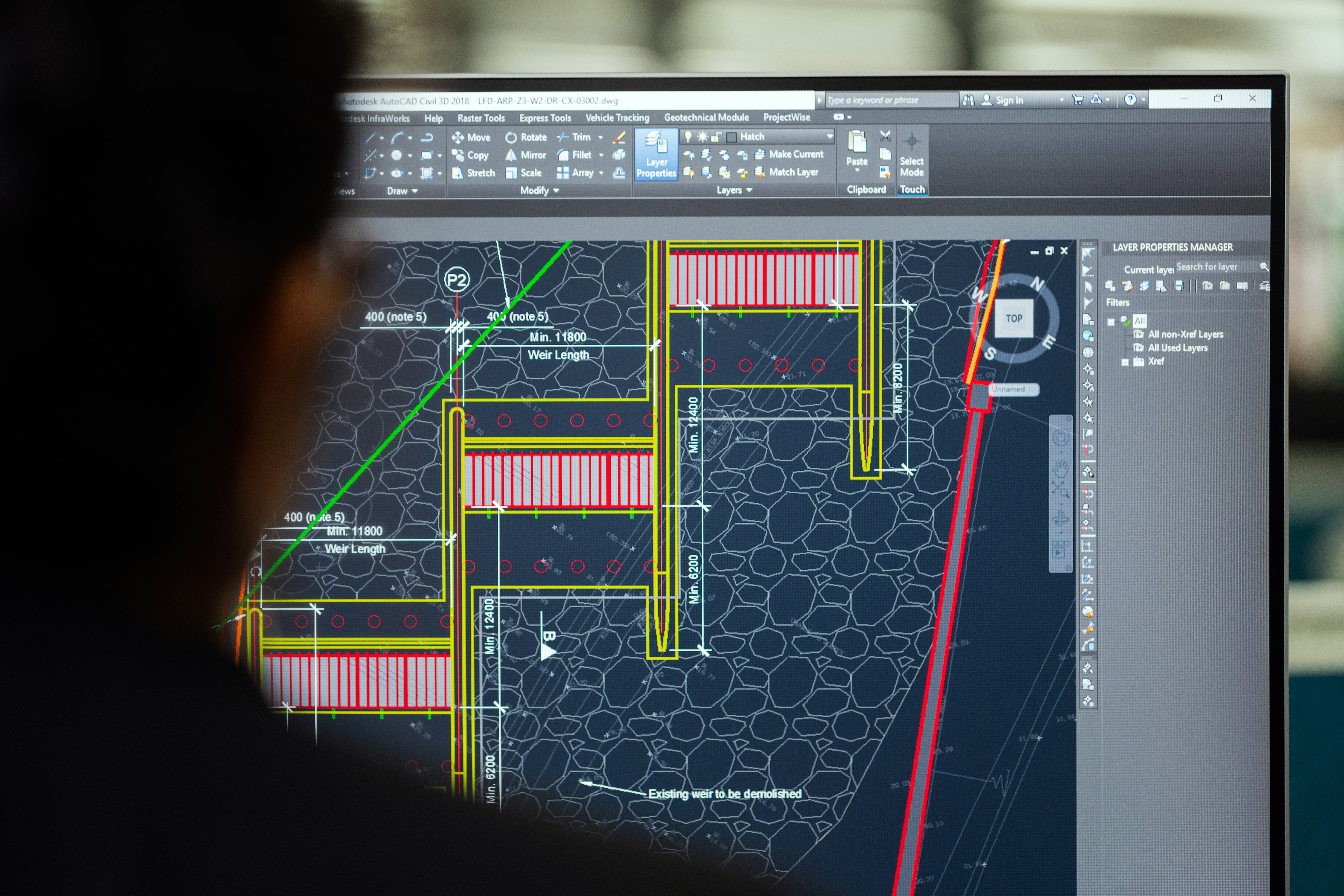
Working effectively across multiple regions requires more than willingness to travel. It demands a systematic approach to understanding and complying with the unique requirements of each jurisdiction.
Every building project operates within a framework of codes, standards, and regulatory requirements that vary significantly by location. William Frei Group treats regulatory compliance not as an obstacle but as a fundamental design parameter one that must be understood and integrated from the earliest stages of project development.
Our team maintains proficiency in the International Building Code (IBC) and its state-specific amendments, ASCE 7 environmental load requirements, ADA accessibility standards, energy code compliance under ASHRAE 90.1 and IECC, and the numerous specialized codes that govern specific building types such as healthcare facilities, educational institutions, and high-rise construction.
When we enter a new jurisdiction, we invest the time required to understand its specific requirements before design begins not after. This proactive approach to compliance eliminates the costly surprises that occur when code discrepancies are discovered during plan review or, worse, during construction.